Bridging the Gap: From Sysadmin Veteran to DevOps Pioneer
I still remember the first time I had to rebuild a server from scratch because nobody had documented what was running on it. That was early in my career, and it taught me something I’ve carried ever since – if you can’t reproduce it, you don’t really own it. Back then, “infrastructure” meant racking physical servers, crimping network cables, and praying the RAID controller wouldn’t fail at the worst possible moment. That world felt permanent. It wasn’t.
The shift to DevOps didn’t happen overnight for me. It crept in – first a few shell scripts here, then a configuration management tool there, and suddenly I was writing YAML files that described entire environments. The transition was uncomfortable. I had to unlearn habits built over years of doing things a certain way because they worked. But the discomfort was worth it.
What surprised me most is how much of my sysadmin experience translated directly. The troubleshooting instinct, the habit of reading logs carefully before acting, the reflex to ask “what happens if this fails?” – none of that became irrelevant. If anything, it became more valuable.
What Actually Matters in the Transition
There are four areas where I found the gap between old-school sysadmin work and DevOps to be both the widest and the most rewarding to cross.
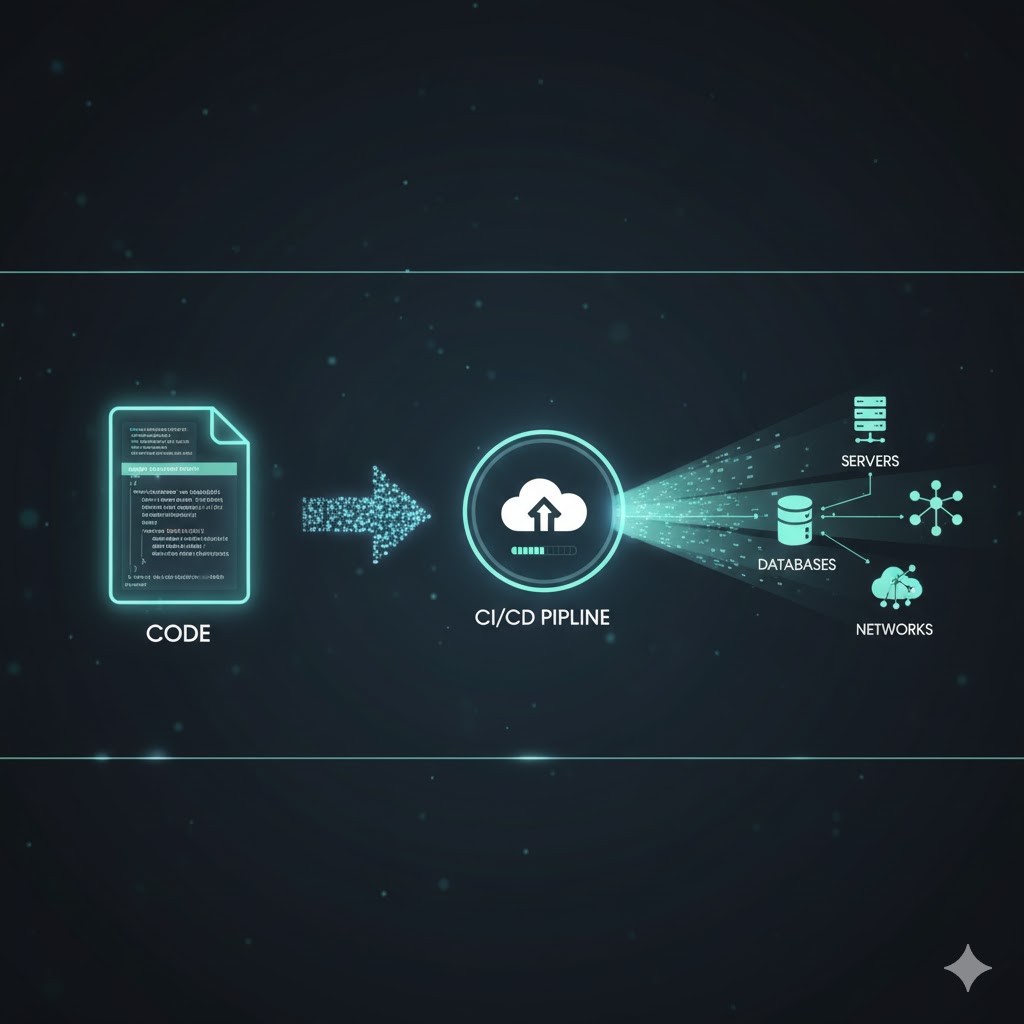
Automation – Stop Doing Things Twice: Early on, I used to SSH into every server to apply a configuration change. Twenty servers, same manual steps, fingers crossed I didn’t typo on server seventeen. When I finally sat down and learned Ansible properly, it felt like getting back hours of my life every week. But automation isn’t just about saving time. It’s about consistency. A script doesn’t forget a step at 2 AM. A Playbook doesn’t skip the backup verification because it’s tired. Tools like Ansible, Puppet, Chef, and Terraform aren’t just convenience – they’re how you stop being the bottleneck.

Infrastructure as Code – Treat Your Infrastructure Like Software: This one took me a while to internalize. For the longest time, infrastructure was something you built, not something you wrote. The moment Terraform clicked for me, I was staring at a plan output that showed exactly what would change before I applied it. No more guessing. No more “I think this is how the network is configured.” Everything was in a Git repository, versioned, reviewable. If someone asked “why is this security group open?”, I could point to a commit message with a ticket number. That discipline changed how I thought about infrastructure entirely. Terraform, CloudFormation – pick one and learn it deeply. The version control, repeatability, and auditability it brings are not optional in any serious environment.
Cloud-Native – Containers Changed Everything: When I first encountered Docker, I was skeptical. “Why would I wrap my application in another layer of abstraction?” Then I watched a Kubernetes pod crash and get replaced automatically in seconds, with no human intervention, and I understood. The resilience was built into the system, not bolted on afterward. Containers, Kubernetes, serverless functions – these aren’t just new tools. They represent a fundamentally different way of thinking about compute. Your operational intuition matters here more than most people admit. You know what happens when a disk fills up, when a process leaks memory, when a network partition causes split-brain. That knowledge translates directly into designing better deployments, setting meaningful resource limits, and writing probes that actually catch real problems instead of just checking if a port is open.
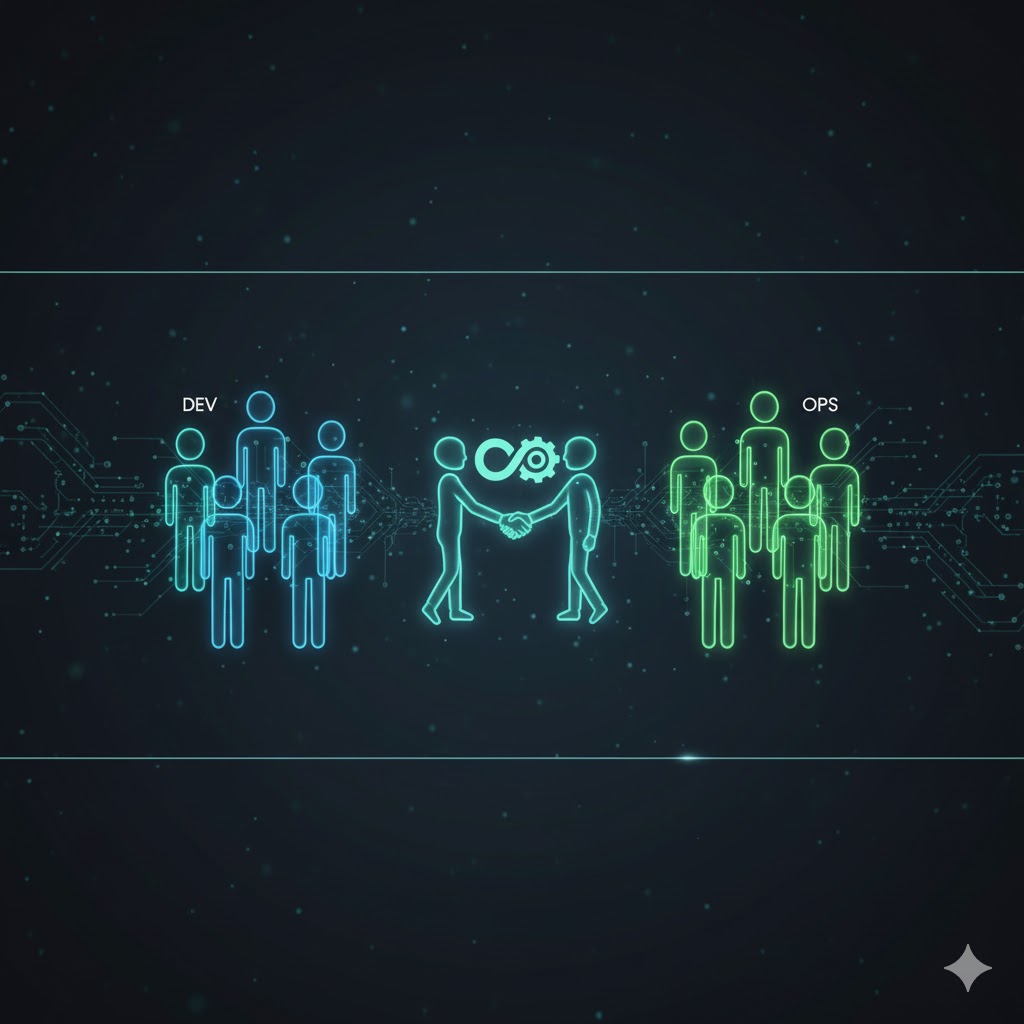
Collaboration – The Hardest Part Isn’t Technical: The tools I can learn. The cultural shift is harder. As sysadmins, we got used to being the gatekeepers – change requests came in, we evaluated them, we executed them. DevOps asks you to share that responsibility with developers. That means writing documentation that someone else can follow, building pipelines that give developers self-service capabilities, and being okay with not being the only person who knows how the production environment works. The communication skills I developed over years of translating between developer requests and operational reality turned out to be exactly what was needed. The “dev vs. ops” mentality doesn’t survive contact with a real incident. When something breaks at 3 AM, nobody cares which team owns what – they care about fixing it. Building those shared responsibilities before the crisis hits is what separates functional teams from dysfunctional ones.
What I’ve Learned So Far
I don’t think of DevOps as replacing what I knew. I think of it as a different way to apply it. The fundamentals – networking, operating systems, security, monitoring – haven’t changed. What changed is the scale and the speed at which we operate. The sysadmin who understands why a TCP connection times out will always have an advantage over someone who only knows how to restart a service and hope for the best.
The transition is ongoing. I’m still learning, still catching up on tools and practices that emerged six months ago. But the foundation holds. If you’re a sysadmin looking at DevOps and feeling overwhelmed, start with what you know. Automate one thing you do manually every day. Put one configuration into version control. Break one silo by documenting something you’ve been keeping in your head. The rest follows.